

Today we present a guest post by friend of ThermoWorks, Danny Dobrzenski, who runs the blog Cooking In The Yard. We hope you enjoy his take on rotisserie Picanha! Take it away, Danny...
I first learned about rotisserie picanha when I went to a Brazilian steakhouse for the first time in Austin Texas, in 2008. I was instantly transported to meat heaven. The churrasqueiro—the Brazilian equivalent of a pitmaster—came out to explain the different cuts of meat being served. As he was talking about the picanha, describing the rich flavor and texture, I fell in love with the entire process before I’d even tasted the meat.
From the slicing and serving off the rotisserie spit directly on my plate, to the perfect texture of the medium-rare center and juiciness of the bite, it was amazing. Once I learned how easy it is to make restaurant-quality picanha at home, I couldn’t quit. Read on to join the picanha club.

It’s worth noting that this cook was made incredibly easy because of Thermoworks’ RFX™—a wireless meat thermometer that keeps track of the temperatures and provides alerts and updates to my phone automatically.

Check out Thermoworks RFX
Why You’ll Love This Recipe
Cooking a rotisserie picanha does something magic to the meat that is going to be hard to explain in words alone. With each rotation, the roast continually bastes in its own juices, resulting in seriously tender meat that’s near impossible to dry out.
Since picanha, with its built-in fat cap, is a tremendously juicy piece of meat to begin with, there’s no shortage of flavor here. The fat crisps beautifully while the rump cap stays juicy. Though you can trim this fat off completely if you wish, leaving a thin layer behind imbues your steaks with extra richness.
This picanha steak recipe is simple, delicious, and packed with bold flavors. I love the process of preparing it—watching the perfect sear form while keeping the inside juicy and tender using RFX. To take it to the next level, a fresh chimichurri sauce is a remarkably simple way to add a tangy, herbaceous kick that perfectly complements the rich, beefy flavor.
Tools You’ll Need
- ThemorWorks RFX™ Wireless Probe Starter Kit
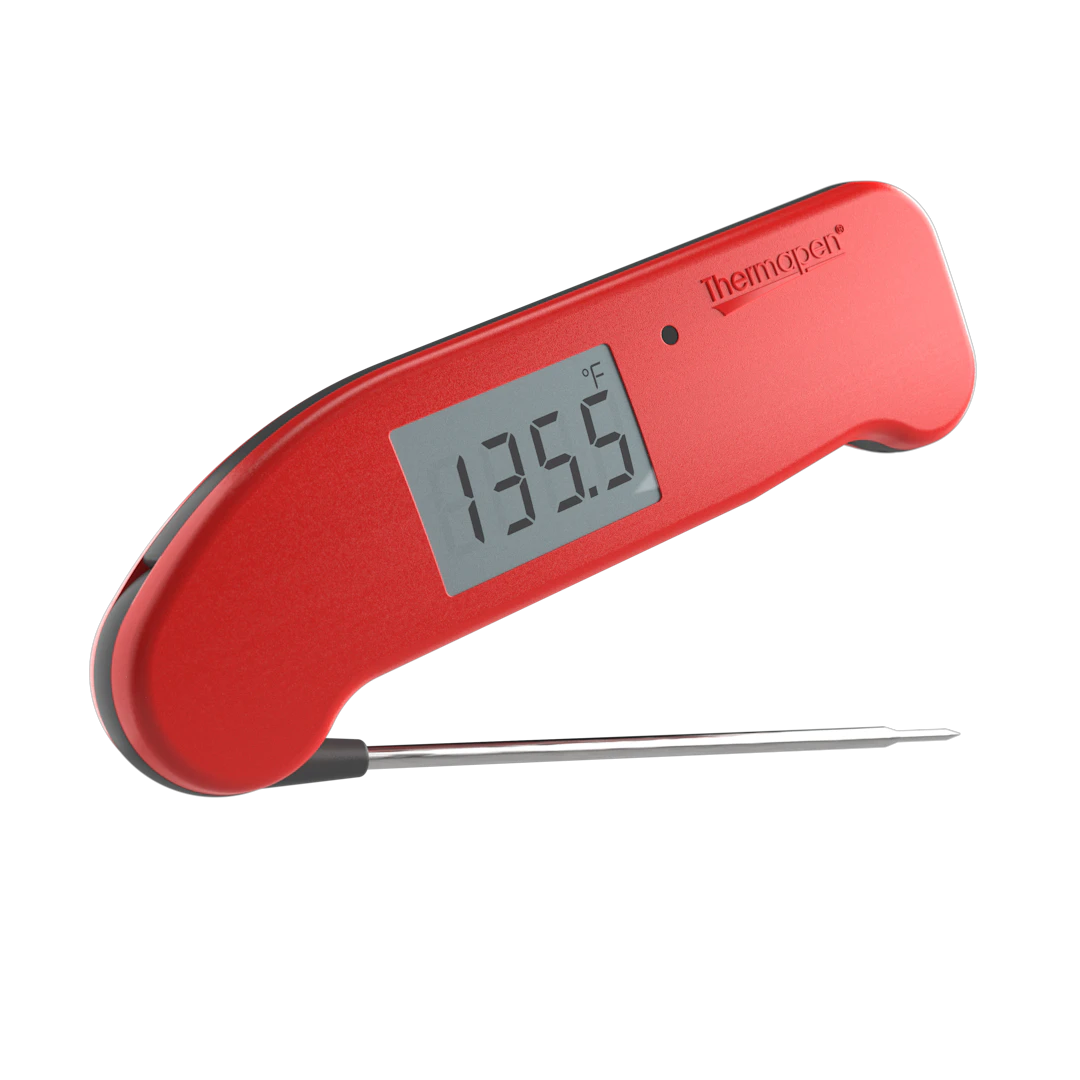
- Thermapen® ONE
- Grill with rotisserie
- Sharp knife
- Cutting board
On a full-grown cow, a picanha roast (also known as a rump cap) is usually going to be somewhere around the 3–4 pound mark. You can use any steak seasoning you’d like. However, to keep it simple and let the flavor of the meat be the star of the show, I like to rub the steaks all over with salt and pepper.

We’ll get started with the preparation instructions below, but a quick tip: While you’re waiting for the meat to come up to room temperature before cooking, prepare the chimichurri sauce. I use fresh cilantro and parsley along with olive oil, red wine vinegar, and minced garlic—tasting as I go to nail my preferred balance—and store it in the fridge until the picanha is ready to serve. Trust me, this zippy condiment is worth the extra step; it perfectly complements the rich, tender meat.
Preparation
To get started, use a sharp knife to remove all of the silverskin and hard fat from the meat side of the rump cap. This step ensures that the meat cooks evenly.
Once trimmed, slice the roast into steaks and season liberally with salt and pepper. Let the meat sit out for 20–30 minutes at room temperature to allow the seasoning to be pulled into the meat.


Cooking
Preheat your grill and secure the picanha roast on to the rotisserie spit. This step will vary by the type of grill you have. For me, it just involves tightening a small collar on the end of the spit rod. Insert a wireless RFX™ MEAT probe into the smallest steak up to the minimum immersion line.


The slow rotation on the spit helps render the fat cap beautifully and baste the meat in its own juices as it cooks. Monitoring the internal meat temperature is vital for a tender picanha steak every time and helps me know how and when to adjust the rotisserie cooking settings.
RFX gives me an excellent gauge on doneness, but before the meat finishes up, I always measure all of the steaks for consistency. I like to pull mine off between 125 and 130°F, so that by the time it rests it’s exactly where I like it to land (between 135 and 140°F). For this quick check, I love the fast and accurate readings my Thermapen® ONE delivers.
Serving Suggestions
When the steaks are done, allow them to rest for about 10–15 minutes. Slice the rotisserie picanha against the grain to reveal the meat’s tender texture and pinkish-red interior. With a pichana, there is a lot of natural juice inside, so even with an adequate resting period, you’re still going to have juice spill out on the board. A final sprinkle of coarse sea salt on the outside layer enhances the flavors remarkably.
Dip each bite of meat into the chimichurri sauce, or drizzle it over each steak. Serving the meat alongside grilled vegetables and a fresh salad reminds me of that first time I ate pichana at a Brazilian steakhouse. Though I also enjoy a side of roasted or baked potatoes. However you choose to dress it up, the balance of the fat cap and the juicy meat makes each mouthful irresistible. It’s a meal that makes any day feel special.

For more from Danny, check out his posts on Turkey or Ham that highlight RFX as well!




0 comments